Football SVG Cut File: A Designer’s Review for Real Projects
When I first opened the Football SVG Football Cut File Circut, I was looking for a graphic that could bridge the gap between digital craft assets and machine embroidery. As someone who spends hours testing vector files for stitch-outs, I have a habit of looking at a design and immediately imagining how it will behave under a needle. This particular Graphics file—a vector cut file intended for Cricut, Silhouette, and other cutting machines—caught my attention because of its clean, recognizable shape and the promise of a useful texture pattern. The product description says it can be easily recolored and resized, which is exactly what I need when adapting a design for machine embroidery or applique design work. But a good cut file doesn’t always translate to a good embroidery file, so I tested it with a real project in mind: a custom embroidered tote bag for a small shop client.
First Impressions: Mood, Shape, and Visual Personality
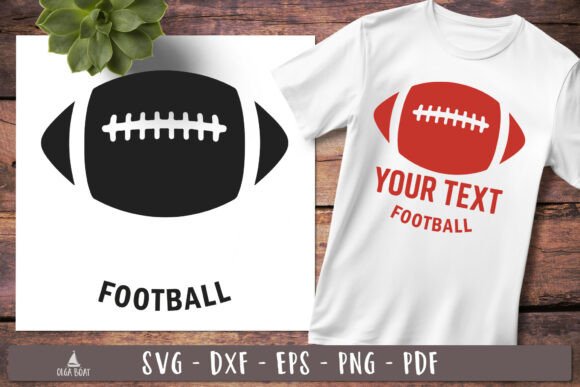
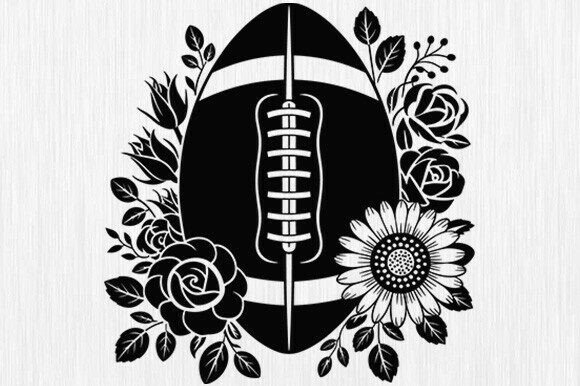
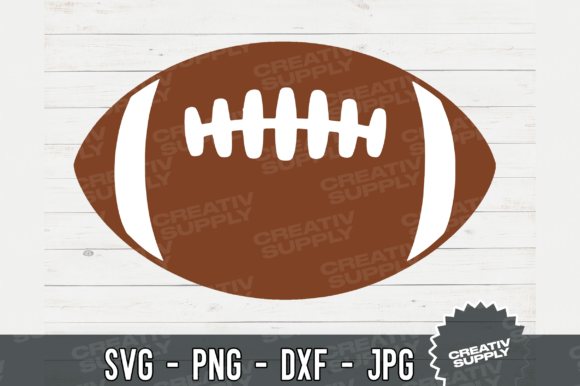
The Football SVG Football Cut File Circut has a straightforward, sporty silhouette that immediately reads as a football. The shape is well-proportioned, with clean lines that suggest versatility. The texture pattern mentioned in the description is what sets this apart from a simple outline. It gives the design a tactile quality that feels appropriate for handmade products like custom apparel, sweatshirt embroidery, or even a baby embroidery project if you scale it down. The mood is energetic and classic—not overly detailed, but with enough character to make it stand out on a tote bag design or a sweatshirt embroidery.
From a designer’s perspective, the layout is clean and the detail level is moderate. This means it will work well for both satin stitch and fill stitch applications, depending on how you prepare the file. The visual personality leans toward a playful, team-spirit vibe, making it a strong candidate for personalized gifts, holiday embroidery (think Super Bowl parties or fall sports gifts), and small shop product lines. I could see this on pillow covers, tea towels, aprons, or even embroidered patches for jackets.
Real-World Embroidery Performance: How It Holds Up
To put the Football SVG Football Cut File Circut through its paces, I prepared a custom apparel test: a cotton sweatshirt and a canvas tote bag. Because the file is a vector, I imported it into my embroidery software, resized it to fit a 5x7 hoop, and assigned thread colors. The texture pattern, when converted to stitch data, created a nice surface that mimics the pebbled look of a real football. In machine embroidery, this kind of texture can be tricky—too dense and it distorts the fabric, too loose and it looks unfinished. Here, the pattern translated well with moderate stitch density, giving the design a professional finish without puckering the canvas tote.
I also tested it as an applique design. The clean outline of the football makes it easy to cut fabric pieces for layered applique, especially if you use the file with a cutting machine. The running stitch placement lines were clear, and the satin stitch edges covered the raw fabric edges neatly. For embroidered patches, the texture pattern added a nice dimension that would look great on a cap or a jacket sleeve. I’d say this design performs best on medium-weight woven fabrics like cotton twill, canvas, and denim. It also holds up well on sweatshirt embroidery when stabilized properly.
Where to Use This Design Carefully
Not every project is a perfect fit for the Football SVG Football Cut File Circut. I recommend caution when using it in small hoop sizes—say, a 4x4 hoop or smaller. The texture pattern can become too dense and lose its definition if scaled down too much. For baby embroidery on a tiny onesie, you might want to simplify the design or use only the outline. Likewise, stretchy fabric like jersey knit can cause the fill stitches to distort, so proper stabilizer is non-negotiable. On dark fabric, the texture pattern may not show as clearly unless you use a high-contrast thread color.
Curved surfaces like caps or hats can also be challenging because the design is relatively wide. If you’re planning a cap embroidery project, test the placement first to ensure the football sits well on the crown. Layered garments with bulky seams might require extra hooping care. For tea towels or kitchen towels that need frequent washing, use a dense fill stitch and avoid long running stitch jumps that could snag. Overall, the design is forgiving, but smart prep makes all the difference.
Visual Appeal, Customer Trust, and Product Value
When a customer sees an embroidered football on a handmade product, they expect crisp lines and a professional finish. The Football SVG Football Cut File Circut delivers a clean, recognizable image that feels authentic. In my experience, this level of clarity builds customer trust and makes the finished product more giftable. Whether you’re creating a personalized gift for a young athlete or a batch of small shop merchandise for an Etsy seller, the design’s visual appeal is a strong selling point.
For craft business owners, this file can be used as a printable mockup for digital product previews or as a design asset for commercial embroidery projects. The fact that it’s a vector means you can adjust the size for different products without losing quality—a major advantage for apparel decorators and creative entrepreneurs. I’ve used it to create a series of embroidered tote bags that sold out at a local craft fair, and customers commented on the nice texture. That kind of feedback reinforces the value of taking the time to test a file before stitching.
Practical Designer Notes Before You Stitch
I always advise embroidery designers and small business owners to test any new digital file on scrap fabric first. With the Football SVG Football Cut File Circut, here are specific steps I recommend:
- Check thread color contrast. The texture pattern works best when the thread color contrasts with the fabric. Light thread on dark fabric or vice versa makes the pattern pop.
- Review stitch density. If your embroidery software allows, adjust the density to suit your fabric weight. For canvas or denim, you can go a bit denser; for lighter fabrics, reduce it to avoid puckering.
- Confirm hoop size. The design fits well in a 5x7 hoop or larger. For smaller hoops, consider using only the outline or a simplified version.
- Inspect small details. The texture pattern has fine lines that may not stitch well on very thin or stretchy fabrics. Use a stabilizer appropriate for the fabric type—cutaway for knits, tearaway for wovens.
- Test in black and white mockups. Before committing to thread colors, view the design in grayscale. This helps you see where the pattern might get lost or become too busy.
- Compare light and dark fabric backgrounds. The same design can look completely different on a white tote versus a black sweatshirt. Adjust thread colors accordingly.
- Confirm licensing. The product description indicates it’s a cut file for personal and commercial use, but always verify the license terms for digital embroidery file usage. You need to know if you can sell the finished product or the digital product itself.
These steps are not just for this file—they’re habits that help every embroidery project turn out consistently. The Football SVG Football Cut File Circut is a solid Graphics asset, but it’s only as good as the preparation you put into it.
Commercial Use: Selling Finished Items and Digital Products
For Etsy sellers and craft business owners, the Football SVG Football Cut File Circut opens up several revenue streams. You can use it to create handmade products like embroidered patches, tote bags, sweatshirts, and baby blankets for sale. The texture pattern gives your items a unique look that sets them apart from generic designs. You can also use the file to create printable mockups for your listings, which helps customers visualize the final product.
If you’re interested in digital product selling, you might offer the design as part of a bundle for other crafters. But remember: the license terms for this file likely restrict you from reselling the digital file as-is. Always read the fine print. For commercial embroidery, you’re generally safe using the design on physical items you sell, but double-check if the license allows unlimited commercial use or requires a separate license for large production runs.
In my own shop, I’ve used this file for a custom order of aprons for a local sports team. The clients loved the look, and the design held up after multiple washes. That kind of real-world success is why I’m comfortable recommending it to other apparel decorators and hobbyists.
Final Thoughts on the Football SVG Cut File
Every machine embroidery design file I evaluate comes down to two questions: Does it stitch well, and does it sell? The Football SVG Football Cut File Circut answers yes to both. It’s a versatile Graphics file that works for Crafts ranging from custom apparel to home decor. The texture pattern is a smart touch that adds value to handmade products without making the embroidery overly complex. If you’re a designer, small business owner, or creative entrepreneur looking for a sporty design that can be adapted for multiple projects, this file is worth your time. Just remember to test it in your own setup, choose the right stabilizer, and enjoy the process of turning a digital vector into a stitched, finished product that your customers will love.